
Eating healthy but not losing weight? 12 reasons your whole-food diet may not be working
You stopped eating fast food. You swapped cereal for eggs, sandwiches for salads, packaged snacks for nuts and fruit. You’re genuinely trying — and maybe exercising too. So why isn’t the scale moving? Often it’s not that you’re failing. It’s that the plan is missing a piece.
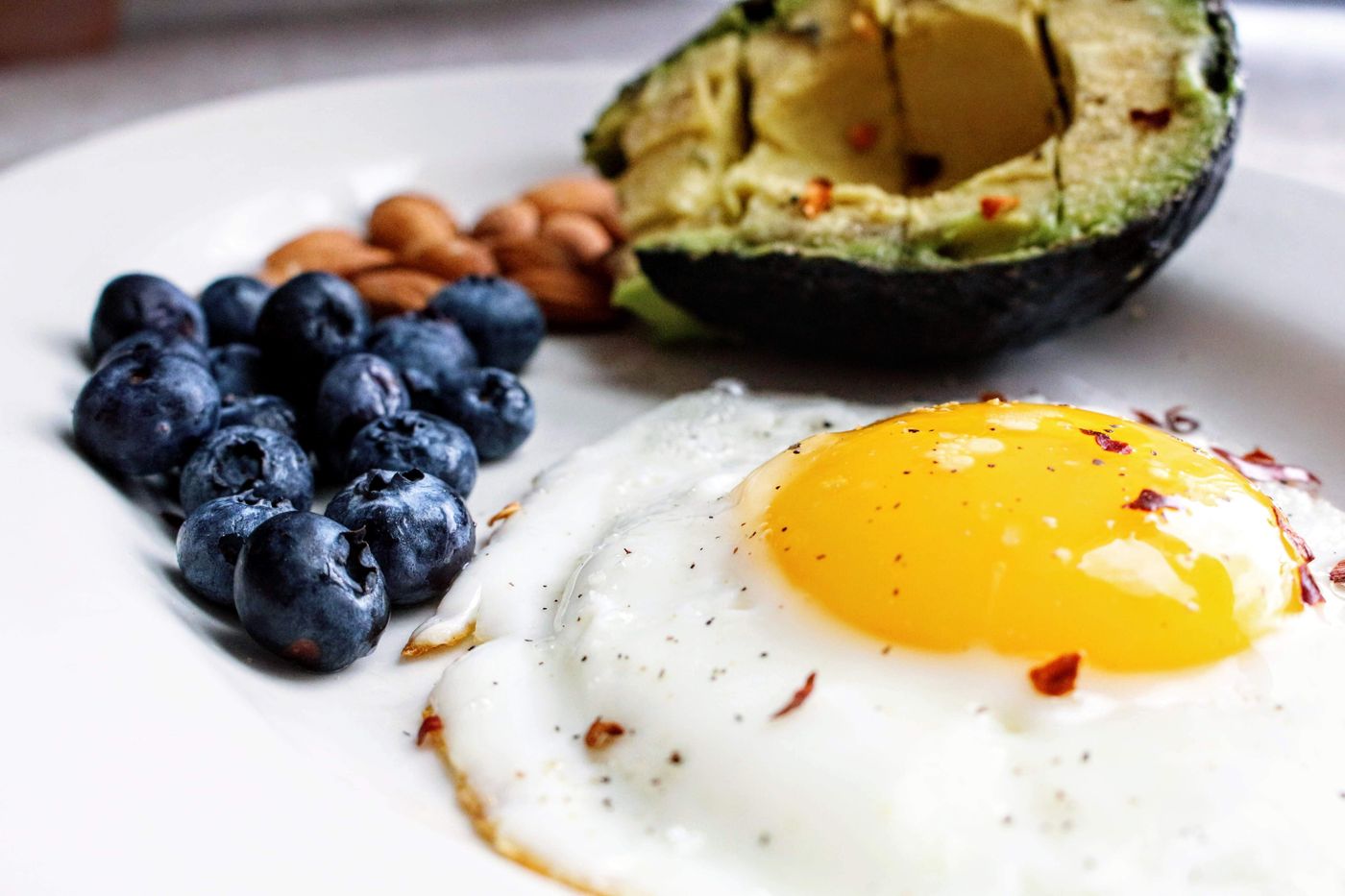
A whole-food plate — protein, healthy fats, and fiber — does more than cut calories: it steadies blood sugar and satiety, which is often the real lever when the scale won’t move.
Why am I not losing weight even though I eat healthy?
Eating whole foods is one of the best foundations you can build for your health. But “healthy” and “appropriate for fat loss” aren’t always the same thing. Food quality matters — and so do portions, protein, blood-sugar regulation, muscle mass, sleep, hormones, medications, thyroid function, activity, and the overall pattern of your week. If the scale isn’t responding, it doesn’t mean your efforts were wasted. It may simply mean the plan is missing a piece.
A whole-food diet supports better nutrition, steadier energy, improved digestion, healthier blood sugar, and less reliance on ultra-processed foods — wins that matter even when the scale moves slowly. But weight loss happens when the body consistently uses more energy than it takes in, and healthy foods still provide energy. Someone can eat only whole foods and still take in more than they currently need. At the same time, persistent difficulty shouldn’t always be reduced to “you’re eating too much” — metabolic health, thyroid function, medications, sleep, hormones, muscle, and stress all shape hunger, movement, energy expenditure, and body composition. The answer is usually not to abandon whole foods; it’s to refine the plan.
Why am I not losing weight despite diet and exercise?
Exercise is important for cardiovascular health, strength, mobility, insulin sensitivity, mood, and longevity — but it doesn’t always create as large an energy deficit as people expect. Exercise can increase hunger; portions may creep up afterward; people may reward a workout with extra food or move less the rest of the day; calorie estimates from machines and watches can be inaccurate; water retention from new or hard workouts can temporarily hide fat loss; and cardio without enough protein or resistance training can contribute to muscle loss during restriction. The type of exercise matters: cardio supports fitness and energy expenditure, while resistance training preserves or builds muscle. For body-composition goals, most people benefit from both.
12 reasons a healthy diet may not be working
Whole foods are more nutritious than processed foods, but portions still count. It’s easy to assume a food can be eaten without limits because it’s natural, organic, Paleo, gluten-free, or nutrient-dense — nuts, nut butter, cheese, avocado, olive oil, coconut products, fatty meats, dried fruit, smoothies, grain-free baked goods, large servings of starchy vegetables. None are automatically unhealthy; many are simply energy-dense and easy to underestimate. Add avocado, cheese, nuts, seeds, dressing, and olive oil to one salad and a light meal becomes a very energy-dense one. You don’t need to count calories forever, but temporarily measuring oils, nuts, nut butter, cheese, and dressings can reveal where portions crept up. The goal is awareness, not punishment.
Healthy fats matter for flavor, satisfaction, cell membranes, brain health, hormones, and vitamin absorption — but fat is highly concentrated. A low-carb or Paleo-style meal might stack fatty meat, cheese, butter, olive oil, avocado, nuts, seeds, and a cream sauce; each fits the diet alone, but together they may deliver far more energy than expected. Reducing refined carbohydrates helps many people — but replacing every carb with unlimited fat doesn’t guarantee fat loss. Emphasize extra-virgin olive oil, avocado, olives, nuts, seeds, and fatty fish, and use butter, cheese, coconut products, and added oils intentionally. (See good fat, bad fat.)
Many people believe they eat a high-protein diet when their meals actually contain small amounts — a few nuts, a spoon of peanut butter, a small yogurt, a sprinkle of cheese. Adequate protein improves satisfaction, reduces grazing, helps preserve muscle during weight loss, and supports strength and healthy aging.1 Needs vary with body size, age, activity, kidney function, and goals. Rather than saving most protein for dinner, distribute it across the day — eggs, chicken, turkey, beef, pork, fish, seafood, Greek yogurt or cottage cheese if tolerated, or leftover meat. If breakfast is mostly fruit, toast, oatmeal, a smoothie, or coffee, hunger returns fast. Begin each meal by asking: where is the meaningful protein source?
Small bites are easy to forget — a handful of nuts, cheese while cooking, fruit between meals, bites of a child’s plate, leftovers eaten while cleaning up, a snack bar, cream in coffee, a few pieces of dark chocolate, a smoothie, weekend nibbles. None alone will stop weight loss, but frequent grazing erases the natural space between meals and adds up fast. Some people do better with three satisfying, protein-centered meals and fewer snacks; others need a planned snack because of medication, activity, pregnancy, blood sugar, or long gaps between meals. The key distinction is a planned snack versus continuous unintentional eating.
Whole-food carbohydrates still affect blood sugar — large fruit portions, bananas, grapes, mangoes, dried fruit, dates, honey, maple syrup, smoothies, juice, potatoes, sweet potatoes, beans, grain-free baked goods, gluten-free packaged foods. These aren’t equivalent and don’t all need to go, but the amount and combination may need adjusting. Someone with insulin resistance may handle a serving of berries with protein and fat far better than a smoothie full of banana, dates, honey, and juice. Signs a meal isn’t working for your blood sugar: hunger soon after eating, strong afternoon cravings, sleepiness after meals, shakiness or irritability between meals, difficulty stopping once you start sweets, energy crashes, waking hungry at night, or feeling dependent on frequent snacks. The fix usually isn’t zero carbs — it’s better composition, more protein and fiber, fewer concentrated sweeteners, and portions that match your tolerance.
Insulin moves glucose from the bloodstream into cells. When cells become less responsive, the body makes more insulin to keep blood sugar normal — insulin resistance. It may show up as increased hunger, strong carb cravings, energy swings, elevated fasting insulin, higher triglycerides, an increasing waistline, prediabetes, or fatty liver. Polycystic ovary syndrome (PCOS) is also frequently associated with insulin resistance.4 This doesn’t mean weight loss is impossible — it means the plan may need to address more than calories: adequate protein, resistance training, walking after meals, better sleep, fewer refined carbs, adjusted whole-food carb portions, more fiber, and monitoring glucose or insulin markers when clinically indicated. Weight difficulty may be one sign of a broader metabolic pattern worth attention.
Thyroid hormones influence energy production, temperature, digestion, heart rate, cholesterol, menstrual function, and metabolism. Hypothyroidism can contribute to fatigue, cold intolerance, constipation, dry skin, hair changes, fluid retention, cholesterol changes, and difficulty managing weight. But thyroid dysfunction isn’t the cause of every plateau. The more useful question is whether thyroid function has been thoroughly evaluated and appropriately managed. Some people have only had TSH tested; others take medication but still have symptoms due to an inadequate dose, absorption problems, medication/supplement interactions, inconsistent dosing, formulation changes, the wrong medication for them, untreated autoimmune thyroid disease, nutrient deficiencies, or digestive issues. Thyroid needs can change — medication shouldn’t be used to force weight loss, but an underactive or poorly managed thyroid shouldn’t be dismissed while someone chases symptoms through ever-stricter diets. (See the thyroid tests you need and thyroid & digestion.)
Many women notice their old strategies stop working during perimenopause or menopause. Hormonal changes can affect where fat is stored, insulin sensitivity, appetite, sleep, muscle mass, recovery, energy, mood, and daily movement. This doesn’t make weight gain inevitable — but the plan that worked at 30 may not work the same way at 45 or 55. This stage rewards focusing on adequate protein, resistance training, preserving muscle, sleep quality, blood-sugar regulation, alcohol moderation, stress management, and realistic portions. Simply eating less and doing more cardio can worsen fatigue and muscle loss without changing body composition. (See the stages of menopause and menopause & blood sugar.)
The scale doesn’t distinguish fat, muscle, water, bone, and digestive contents. You can lose weight while losing muscle — or hold a steady weight while gaining muscle and losing fat. Muscle is metabolically active and supports strength, mobility, glucose disposal, insulin sensitivity, healthy aging, resting energy expenditure, and body shape. Muscle loss becomes more common with aging, repeated dieting, low protein, inactivity, illness, and excessive restriction. Cardio is valuable but doesn’t replace resistance training. A balanced plan includes progressive resistance exercise, adequate protein, sufficient recovery, appropriate calories, and regular movement outside workouts — resistance training plus enough protein helps protect muscle even while losing fat.2 If the goal is body composition, focus on preserving or building muscle rather than only shrinking the scale.
Sleep and stress don’t override basic physiology, but they make weight management substantially harder. Poor sleep can increase hunger and cravings, reduce impulse control, lower energy and daily movement, worsen recovery, and drive more evening eating — even short-term sleep restriction has been shown to raise the hunger hormone ghrelin and lower the satiety hormone leptin, increasing appetite.3 Chronic stress also shifts eating: some lose their appetite, others graze, seek sweets, eat late, drink more alcohol, or stop cooking. Rather than saying cortisol simply “blocks weight loss,” it’s more accurate to see how sleep and stress affect hunger, food decisions, energy, recovery, blood sugar, activity, and consistency. A plan that ignores sleep and stress is incomplete.
Some medications can affect appetite, fluid retention, insulin sensitivity, energy, or weight — including certain antidepressants, antipsychotics, corticosteroids, seizure medications, diabetes medications, hormonal medications, blood-pressure medications, and sleep medications.
Medical conditions that can affect weight or body composition include hypothyroidism, PCOS, Cushing syndrome, diabetes, sleep apnea, depression, chronic pain, mobility limitations, menopause-related changes, and significant fluid retention. Most plateaus aren’t caused by a rare disease — but persistent symptoms deserve evaluation rather than dismissal.
Body weight naturally fluctuates — with sodium, carbohydrate intake, the menstrual cycle, constipation, travel, a late meal, muscle soreness, post-exercise inflammation, hydration, alcohol, and food still being digested. A sudden jump of a few pounds over a day or two isn’t the same as gaining fat. Look at trends, not isolated numbers — and track other signs of progress: waist measurement, how clothing fits, strength, energy, fewer cravings, better blood-sugar readings, improved labs, more consistent meals, better sleep, and endurance. Healthy, sustainable weight loss is usually slower than social-media transformations suggest. A plateau may mean the plan needs adjustment — not that nothing is working.
Why am I not losing weight in a calorie deficit?
A calorie deficit means consistently taking in less energy than you use, and if a true deficit is maintained over time, the body must eventually use stored tissue for energy. But knowing whether you’re actually in a meaningful, consistent deficit is harder than subtracting a food-app number from a watch estimate. Common reasons someone believes they’re in a deficit but doesn’t see the scale move: portions are estimated rather than measured; oils, drinks, snacks, and tastes go untracked; restaurant meals contain more than expected; weekend intake offsets weekday restriction; exercise calories are overestimated; daily activity has quietly declined; energy needs have changed after weight loss; water retention is masking progress; the tracking window is too short; muscle is being gained while fat is lost; or medical factors deserve evaluation. Tracking tools give estimates, not perfect measurements — use data to refine the plan, not to become obsessed with numbers.
What may be stalling your progress
| What you notice | What may be worth reviewing |
|---|---|
| Hungry shortly after meals | Protein, fiber, meal size, blood-sugar response |
| Afternoon energy crash | Meal composition, sleep, insulin resistance |
| Strong carbohydrate cravings | Protein, blood sugar, sleep, PCOS, or restriction |
| Weight rises around your cycle | Normal fluid shifts, sodium, constipation, hormones |
| Exercising but losing no inches | Portions, exercise type, recovery, muscle changes |
| Cold, constipated, and fatigued | Thyroid evaluation, iron status, medication management |
| Strong cravings with irregular cycles | Insulin resistance or PCOS evaluation |
| Weight changed after a new prescription | Medication review with the prescriber |
| Eating very little all week, then overeating | Restriction–hunger cycles and meal structure |
| Scale is stable but clothes fit better | Possible body-composition improvement |
| Weight rises after a hard workout | Temporary inflammation and water retention |
| Constant hunger despite eating healthy | Protein, portions, sleep, blood sugar, or overrestriction |
Where should you start?
A simple whole-food plate for weight management
- Half the plate: non-starchy vegetables — leafy greens, broccoli, cauliflower, peppers, mushrooms, asparagus, cabbage, green beans, zucchini, cucumbers, tomatoes.
- A quarter to a third: a meaningful serving of protein — chicken, beef, turkey, pork, fish, seafood, or eggs.
- An intentional amount of healthy fat: olive oil, avocado, olives, nuts, seeds, tahini, pesto, or chimichurri.
- A whole-food carbohydrate when appropriate: berries, fruit, beans, lentils, sweet potato, winter squash, or root vegetables — the amount reflecting your activity, appetite, blood-sugar tolerance, and goals.
(For the fuller framework, see our flexible Paleo diet food list.)
You may not need a stricter diet
When weight loss stalls, the instinct is to remove more food — fruit, beans, dairy, carbs, fats, snacks, whole meals. Sometimes a targeted adjustment is appropriate. But repeated restriction without understanding the underlying problem can lead to fatigue, nutrient gaps, muscle loss, frustration, and an unhealthy relationship with food. And eating too little brings its own problems: while “starvation mode” doesn’t fully stop weight loss, severe or prolonged restriction can cause fatigue, less spontaneous movement, poor workouts, muscle loss, intense hunger, irritability, disrupted sleep, and binge–restrict cycles — so the weekly pattern may not create the deficit you expected. The answer often isn’t to make your diet smaller. It’s to make your plan more precise.
Common questions
References (4) ▾
- Leidy HJ, Clifton PM, Astrup A, et al. The role of protein in weight loss and maintenance. Am J Clin Nutr. 2015;101(6):1320S-1329S. https://pubmed.ncbi.nlm.nih.gov/25926512/
- Sardeli AV, Komatsu TR, Mori MA, Gáspari AF, Chacon-Mikahil MPT. Resistance training prevents muscle loss induced by caloric restriction: a systematic review and meta-analysis. Nutrients. 2018;10(4):423. https://pubmed.ncbi.nlm.nih.gov/29601561/
- Spiegel K, Tasali E, Penev P, Van Cauter E. Sleep curtailment in healthy young men is associated with decreased leptin levels, elevated ghrelin levels, and increased hunger and appetite. Ann Intern Med. 2004;141(11):846-850. https://pubmed.ncbi.nlm.nih.gov/15583226/
- Diamanti-Kandarakis E, Dunaif A. Insulin resistance and the polycystic ovary syndrome revisited: an update on mechanisms and implications. Endocr Rev. 2012;33(6):981-1030. https://pubmed.ncbi.nlm.nih.gov/23065822/
If you’ve been eating whole foods and remain stuck, an individualized evaluation can identify what your current plan is missing — food quality and portions, protein, blood sugar, thyroid, hormones, digestion, sleep, stress, medications, activity, muscle, and labs. Clear, realistic next steps instead of another restrictive diet.